

Bracelets
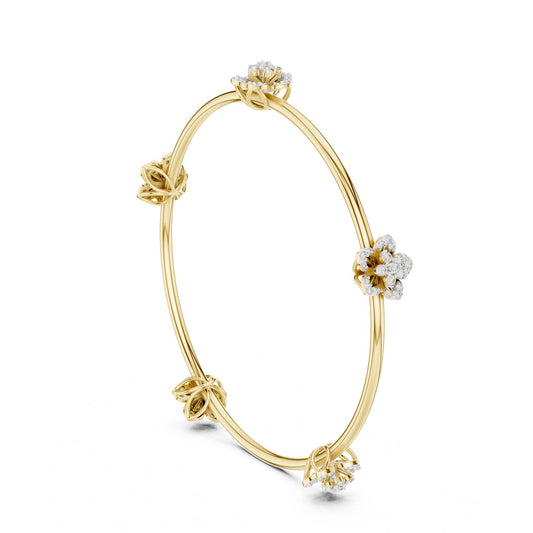
Tennis bracelets, bangles and chains in solid 10k, 14k and 18k gold, set with certified lab grown diamonds. Made to order in the metal and length you choose.
- IGI or GIA certified
- Solid 10k, 14k & 18k gold
- Made to order
- Resizing & repairs
Shop Bracelets by Style
A line of stones, or something plainer.


-
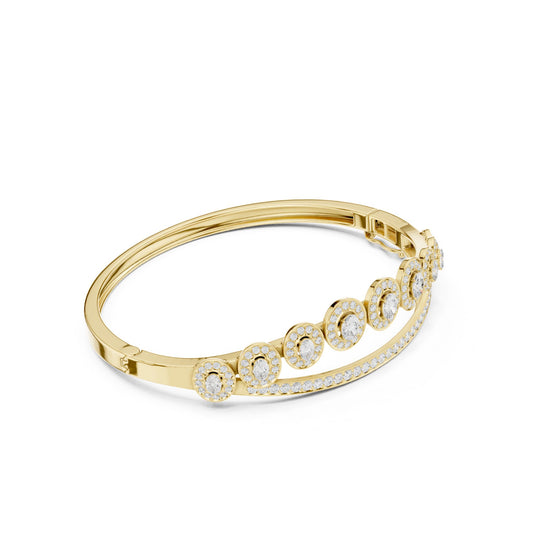
Round Bangle Lab Grown Diamond Bracelet
Regular price $3,344.00 From$3,344 Regular priceUnit price per -
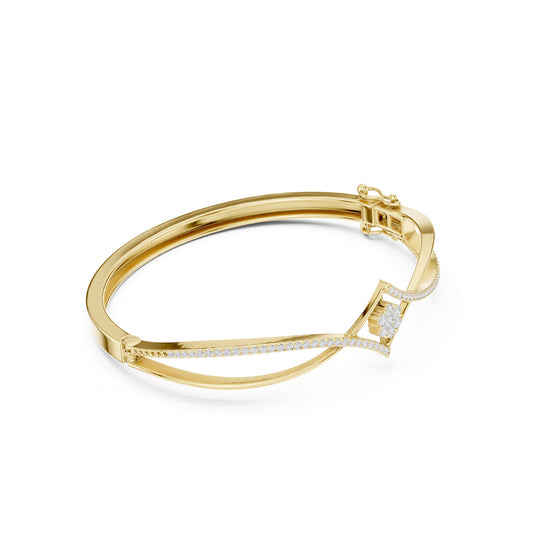
Round Link Lab Grown Diamond Bracelet
Regular price $2,095.00 From$2,095 Regular priceUnit price per -
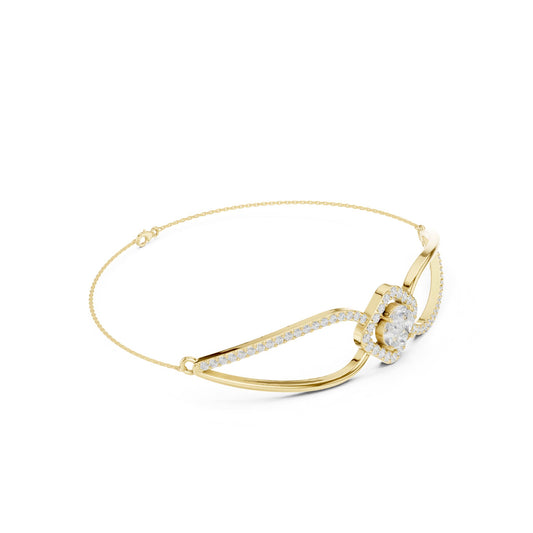
Emerald Bangle Lab Grown Diamond Bracelet
Regular price $5,200.00 From$5,200 Regular priceUnit price per -
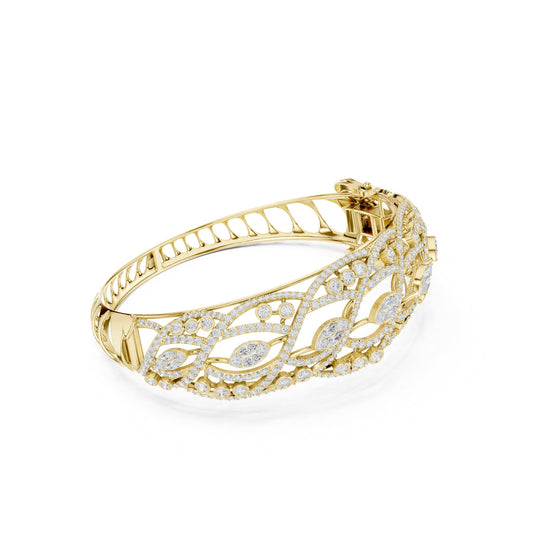
Emerald Tennis Lab Grown Diamond Bracelet
Regular price $4,118.00 From$4,118 Regular priceUnit price per -
Round Bangle Lab Grown Diamond Bracelet
Regular price $2,091.00 From$2,091 Regular priceUnit price per -
Emerald Tennis Lab Grown Diamond Bracelet
Regular price $2,810.00 From$2,810 Regular priceUnit price per -
Round Station Lab Grown Diamond Bracelet
Regular price $638.00 From$638 Regular priceUnit price per -
Round Chain Lab Grown Diamond Bracelet
Regular price $706.00 From$706 Regular priceUnit price per -
Round Bangle Lab Grown Diamond Bracelet
Regular price $1,937.00 From$1,937 Regular priceUnit price per -
Round Bangle Lab Grown Diamond Bracelet
Regular price $2,073.00 From$2,073 Regular priceUnit price per -
Round Cuff Lab Grown Diamond Bracelet
Regular price $3,077.00 From$3,077 Regular priceUnit price per -
Round Bangle Lab Grown Diamond Bracelet
Regular price $4,793.00 From$4,793 Regular priceUnit price per -
Round Bangle Lab Grown Diamond Bracelet
Regular price $3,743.00 From$3,743 Regular priceUnit price per -
Round Bangle Lab Grown Diamond Bracelet
Regular price $3,115.00 From$3,115 Regular priceUnit price per -
Oval Link Lab Grown Diamond Bracelet
Regular price $5,327.00 From$5,327 Regular priceUnit price per -
Pear Bangle Lab Grown Diamond Bracelet
Regular price $3,275.00 From$3,275 Regular priceUnit price per -
Round Link Lab Grown Diamond Bracelet
Regular price $877.00 From$877 Regular priceUnit price per -
Oval Link Lab Grown Diamond Bracelet
Regular price $1,523.00 From$1,523 Regular priceUnit price per -
Round Bangle Lab Grown Diamond Bracelet
Regular price $2,809.00 From$2,809 Regular priceUnit price per -
Pear Tennis Lab Grown Diamond Bracelet
Regular price $2,903.00 From$2,903 Regular priceUnit price per -
Round Bangle Lab Grown Diamond Bracelet
Regular price $4,789.00 From$4,789 Regular priceUnit price per -
Round Bangle Lab Grown Diamond Bracelet
Regular price $2,539.00 From$2,539 Regular priceUnit price per -
Round Tennis Lab Grown Diamond Bracelet
Regular price $2,807.00 From$2,807 Regular priceUnit price per -
Round Bangle Lab Grown Diamond Bracelet
Regular price $3,848.00 From$3,848 Regular priceUnit price per -
Oval Bangle Lab Grown Diamond Bracelet
Regular price $4,238.00 From$4,238 Regular priceUnit price per -
Marquise Bangle Lab Grown Diamond Bracelet
Regular price $2,292.00 From$2,292 Regular priceUnit price per -
Round Chain Lab Grown Diamond Bracelet
Regular price $360.00 From$360 Regular priceUnit price per -
Round Bangle Lab Grown Diamond Bracelet
Regular price $2,314.00 From$2,314 Regular priceUnit price per -
Round Bangle Lab Grown Diamond Bracelet
Regular price $3,102.00 From$3,102 Regular priceUnit price per -
Round Bangle Lab Grown Diamond Bracelet
Regular price $1,434.00 From$1,434 Regular priceUnit price per -
Round Chain Lab Grown Diamond Bracelet
Regular price $1,326.00 From$1,326 Regular priceUnit price per -
Round Bangle Lab Grown Diamond Bracelet
Regular price $2,899.00 From$2,899 Regular priceUnit price per -
Round Bangle Lab Grown Diamond Bracelet
Regular price $5,167.00 From$5,167 Regular priceUnit price per -
Round Bangle Lab Grown Diamond Bracelet
Regular price $2,258.00 From$2,258 Regular priceUnit price per -
Round Link Lab Grown Diamond Bracelet
Regular price $2,450.00 From$2,450 Regular priceUnit price per -
Round Bangle Lab Grown Diamond Bracelet
Regular price $2,338.00 From$2,338 Regular priceUnit price per

















Choosing a bracelet
Fit first. Wrap a strip of paper around the wrist where the bracelet will sit, mark where it meets and measure it flat, then add about half an inch for a bracelet that moves and closer to a quarter for one you want to sit snug. A tennis bracelet is best worn slightly loose so the line of stones rolls to the top of the wrist on its own.
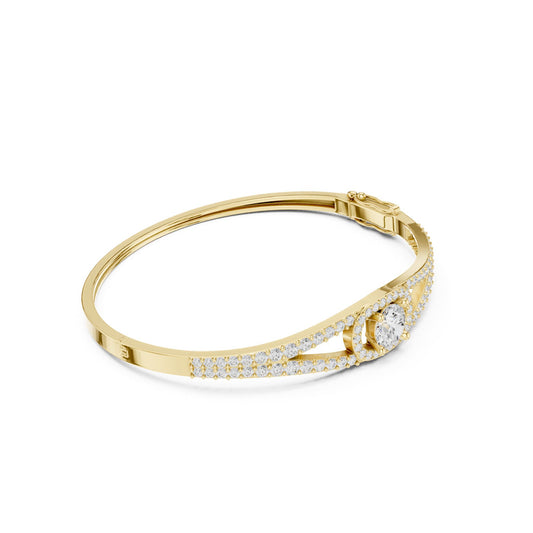
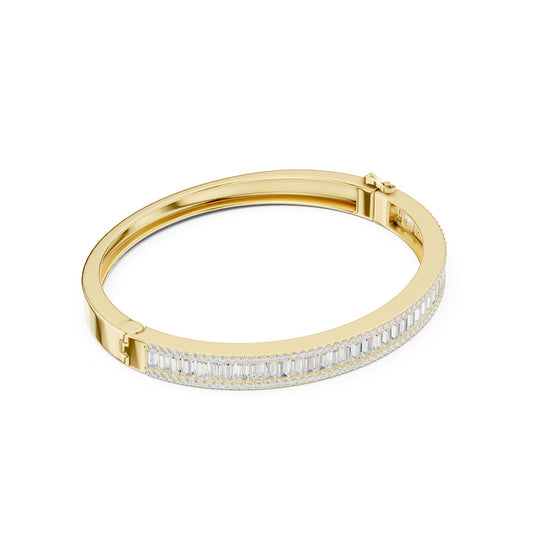
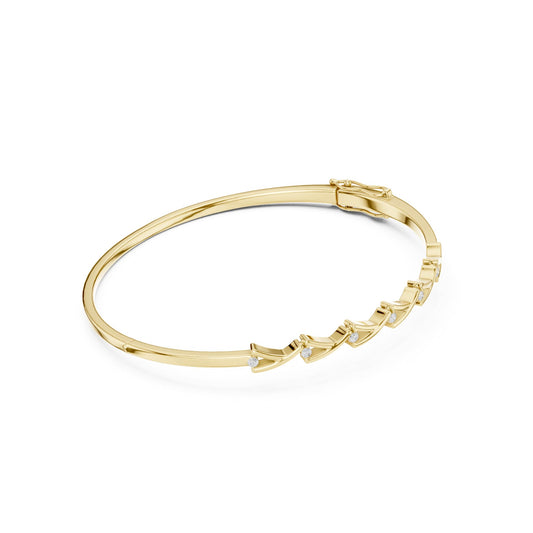
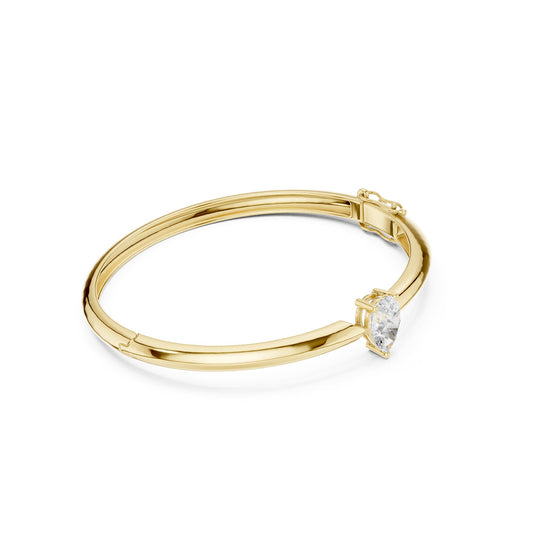
Then the clasp, which is where bracelets are lost. A box clasp with a figure-eight safety catch is the standard on anything set with stones, and it is worth insisting on: a bracelet is the one piece of jewellery you cannot feel come loose. Check the catch each time you put it on, in the same way you would check a watch strap.
Wrists take more knocks than any other place jewellery is worn — desks, door handles, car doors. A bezel or channel setting protects the stones behind metal and suits constant wear; prongs let in more light and are better for a piece kept for occasions. Neither is more fragile than the other when made properly, but one forgives more.
Bracelet FAQs
How do I measure my wrist?
Wrap a strip of paper around the wrist, mark where the ends meet and measure it against a ruler. That figure is your wrist size; add roughly half an inch for a comfortable bracelet length.
How loose should a tennis bracelet be?
Loose enough to slide an inch or so along the wrist, but not over the hand. Too tight and it sits rigid against the skin; too loose and the clasp takes the strain all day.
Can the length be adjusted after it arrives?
Usually, depending on the design — removing a link from a stone-set bracelet is more involved than shortening a plain chain. Email us with your order number before sending anything back and we will tell you what is possible and what it will cost.
Can I wear it every day?
Yes, though a wrist takes more knocks than a finger or a neck. Take it off for sport, gardening and anything involving weights, and have the clasp and settings checked once a year the way you would service a watch.
What if a stone comes loose?
Stop wearing it and email us with photographs and your order number. A loose stone caught early is a small repair; the same stone left in place is usually a lost one.